

The FIFA World Cup 2026 is coming to Canada, and the scale of this event will be unlike anything cities and local businesses have seen before. Millions of visitors, packed venues, and nonstop activity will bring excitement, but also new risks. Streets, shops, restaurants, and commercial spaces near host areas will see heavier crowds and longer hours. That kind of traffic changes how security needs to work.
FIFA World Cup 2026 security planning is not only a concern for stadiums or government agencies. Local businesses play a role too. When crowds grow, so do chances of theft, vandalism, and after-hours incidents. Even small gaps in coverage can turn into real problems during busy match days. Preparing early gives businesses time to review their setups and make smart improvements.
Upgrading security now allows systems to be tested, adjusted, and scaled before demand spikes. It also helps businesses stay compliant, protect staff, and keep customers safe. With the right planning, FIFA World Cup 2026 security becomes a long-term investment, not a last-minute fix.
What’s Different About the FIFA World Cup 2026?
The FIFA World Cup 2026 is very different from past tournaments, especially for Canada. This time, the event is shared across three countries, and the number of matches and visitors will be much higher than before. Canadian host cities will see weeks of continuous activity, not just game days. Fans will gather in downtown areas, near transit hubs, restaurants, bars, retail stores, and public spaces far beyond the stadiums.
Another major difference is how spread out the impact will be. Businesses that are not directly next to a venue will still feel the pressure. Increased foot traffic, temporary events, fan zones, and late-night celebrations will change normal operating patterns. This makes FIFA World Cup 2026 security more complex, because risks are no longer limited to one controlled location.
Technology expectations are also higher than ever. Visitors expect safe, well-monitored environments, and authorities expect businesses to take reasonable security steps. Older systems that worked for regular days may struggle during peak crowds. That is why early FIFA World Cup 2026 security planning matters. This event demands broader coverage, better visibility, and systems that can handle sustained high demand across the city.
How FIFA 2026 Will Impact Canadian Businesses?
FIFA World Cup 2026 will bring a major shift in how Canadian businesses operate, especially in host cities and surrounding areas. During the tournament, foot traffic will increase sharply, and many businesses will stay open longer to serve visiting fans. Restaurants, retail stores, hotels, and entertainment venues will see higher volumes on both match days and non-match days. This creates more opportunities, but it also adds pressure to daily operations.
Academic studies show that large sporting events can lead to noticeable increases in theft and vandalism around stadium areas. The research highlights that higher crowds bring higher risk for nearby businesses, especially in busy commercial districts.
With more people coming in and out, businesses face higher exposure to theft, property damage, and crowd-related incidents. Temporary staff, delivery delays, and busy peak hours can make it harder to monitor spaces properly. Even businesses not directly tied to the event may experience spillover traffic from fan zones and public gatherings. This changes the risk profile for many locations.
FIFA World Cup 2026 security becomes an operational concern, not just a safety one. Reliable surveillance, clear access control, and consistent monitoring help businesses stay open, protect employees, and avoid disruptions. Preparing early allows owners to adapt smoothly while keeping the focus on serving customers and maximizing the opportunity the event brings.
Security Risks Businesses Must Prepare For Before FIFA 2026
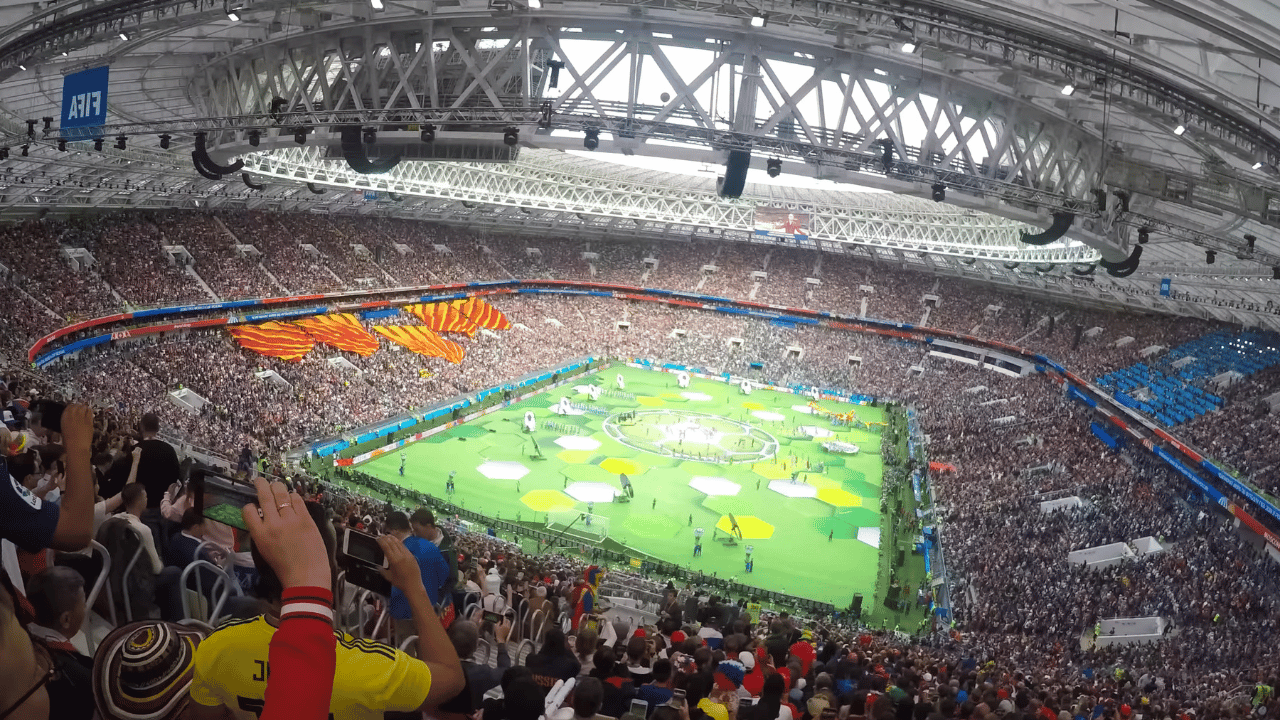
Before a global event of this size, security risks grow in ways many businesses do not expect. As FIFA approaches, daily routines will change fast. Crowds will move beyond stadiums and into nearby neighborhoods, commercial streets, and public spaces. Longer hours, higher foot traffic, and unfamiliar visitors can stretch staff and systems.
Small issues that are manageable on normal days can turn serious during peak activity. FIFA World Cup 2026 security planning helps businesses spot these risks early and respond with structure instead of stress. Preparing ahead allows owners to protect property, support employees, and keep operations running smoothly during the busiest weeks.
Crowd Overflow Beyond Stadiums
Large crowds do not stay in one place. Fans move between bars, restaurants, retail stores, parking areas, and transit hubs. Businesses near these routes see sudden spikes in traffic. This makes entrances, exits, and shared spaces harder to control. Without clear visibility, incidents can happen quickly and go unnoticed.
Theft, Vandalism, and Opportunistic Crime
Short-term visitors and packed spaces increase the risk of theft and property damage. Busy environments make it easier for bad actors to blend in. Items left unattended, open storage areas, and crowded counters become targets during peak hours.
After-Hours and Late-Night Incidents
Match schedules and celebrations often run late. Extended hours mean fewer staff on duty and reduced oversight at night. This raises the chance of break-ins, disputes, and damage when businesses are tired and visibility is low.
Cyber and Physical Security Overlap
Modern businesses rely on connected systems. POS terminals, guest Wi-Fi, and surveillance systems must work together. When networks are overloaded or poorly protected, both digital and physical security can be affected during high-demand periods.
Essential Security Measures Businesses Should Consider Now
As businesses prepare for the increased activity around FIFA, security systems need to do more than just record footage. They must help prevent issues, improve response time, and support staff during busy periods. Planning early gives businesses time to choose the right solutions, test them properly, and make adjustments before crowds arrive. Strong FIFA World Cup 2026 security is built around visibility, control, and real-time awareness, not last-minute fixes.
Video Surveillance and Smart Cameras

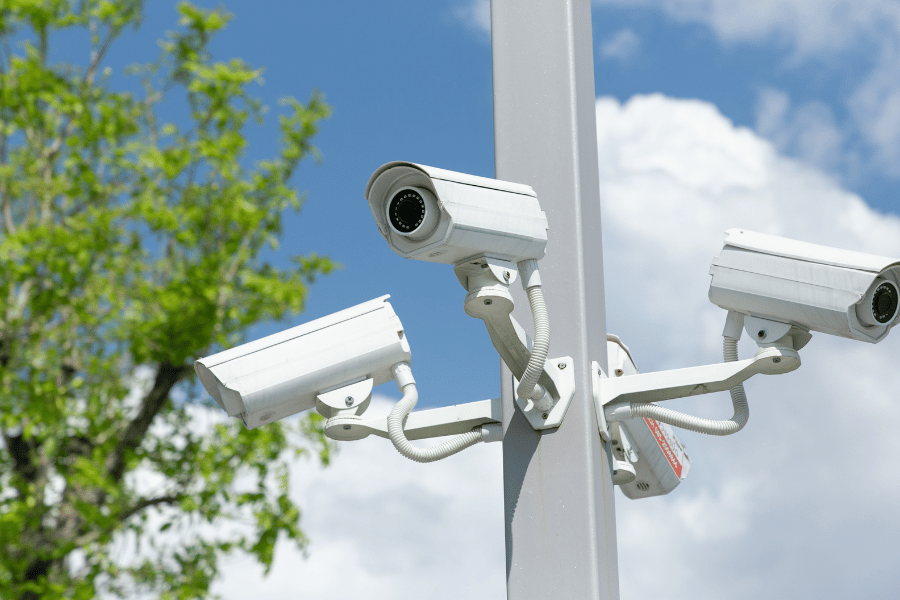
Modern camera systems provide wide coverage and clear visibility across entrances, indoor areas, and exterior spaces. They act as a visible deterrent and help staff monitor activity during peak hours. Recorded footage also supports incident review and reporting when issues occur.
Access Control for Staff and Restricted Areas

With temporary staff and higher traffic, controlling who can enter certain areas becomes critical. Access control systems help limit entry to staff-only zones, storage rooms, and offices. This reduces internal risks and keeps operations organized during busy periods.
Lighting and Perimeter Visibility
Good lighting plays a major role in security. Well-lit parking areas, walkways, and building edges reduce blind spots and make camera coverage more effective. Proper visibility also helps customers and employees feel safer during extended hours.
Remote Monitoring and Real-Time Alerts

Remote monitoring allows businesses to stay informed even when managers are off-site. Real-time alerts help teams respond quickly to unusual activity, crowd buildup, or after-hours movement, improving overall FIFA World Cup 2026 security readiness.
How Spotter Helps Canadian Businesses Prepare for FIFA 2026?
Spotter Security has been helping Canadian businesses stay secure for over 20 years, and that experience matters when preparing for an event as large as FIFA 2026. We understand how security needs change when foot traffic increases, operating hours extend, and pressure on staff grows. Our approach focuses on planning early, so businesses are not forced into rushed decisions when demand is at its peak.
We work closely with business owners to assess their current setups and identify gaps before they become problems. From video surveillance and access control to lighting and remote monitoring, Spotter designs security solutions that fit each location and its daily operations. Every system is built to scale, so it performs just as well during FIFA World Cup 2026 security demands as it does long after the event ends.
Our goal is simple. Help businesses protect their people, property, and customers with confidence. With decades of experience across industries and environments, Spotter Security gives Canadian businesses a reliable partner to prepare for FIFA 2026 and stay secure well beyond it.

Written by : Carlo Di Leo
At the age of 24, with no experience in the security industry or any money in the bank, Carlo quit his job and started Spotter Security from his parent's basement. Founded in 2004, Spotter grew from a single man operation into a multi-million dollar security system integrator that caters to businessess and construction sites across Canada.
